


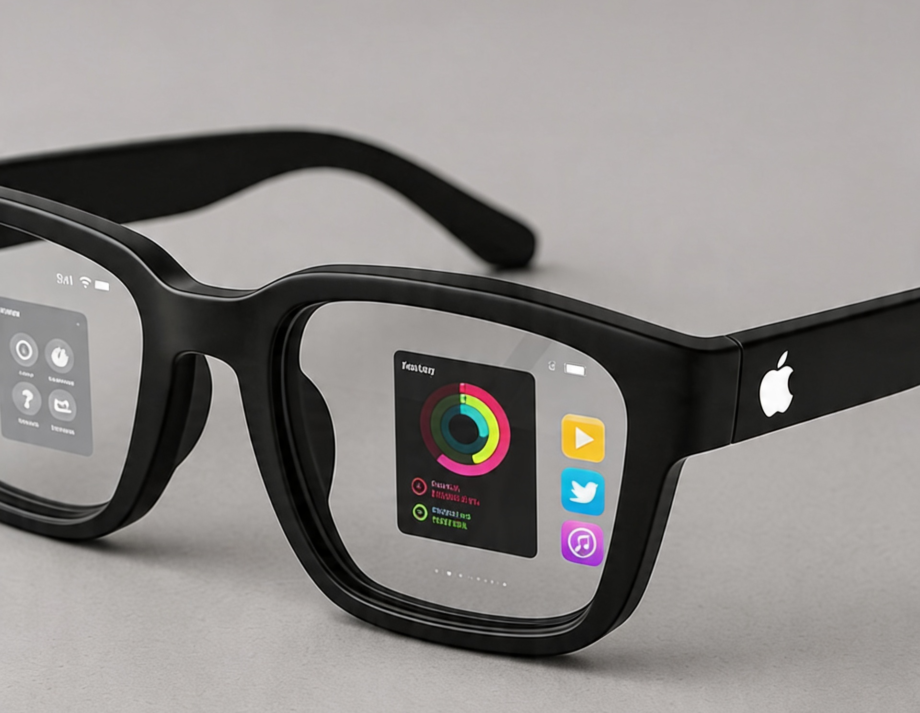
Apple just gave us the clearest look yet at what its first smart glasses will be.
Bloomberg’s Mark Gurman dropped new details in his Power On newsletter last weekend. According to him, Apple is testing at least four different frame styles for the project. And the company is going all-in on design to separate itself from the competition.
The four styles currently in testing are a large rectangular frame similar to Ray-Ban Wayfarers, a slimmer rectangular option that looks a lot like Tim Cook’s own glasses, a larger oval or circular frame, and a smaller more refined oval version. Colors being considered include black, ocean blue, and light brown.
This isn’t AR. So let’s be clear about that. No display, no holograms. These are wearable glasses with cameras, microphones, and sensors built in. Think Meta Ray-Bans but made by Apple. You get phone notifications, music playback, photo and video capture, and hands-free AI through an upgraded Siri.
What sets Apple apart here is materials. Instead of plastic, Apple is going with acetate, a material described as more durable and premium feeling. The camera layout will also be different, sitting in a vertically-oriented oval pattern with indicator lights around it.
The plan is to launch in spring or summer 2027, with a possible unveiling at the end of this year or early 2027. Analyst Ming-Chi Kuo has projected Apple could sell 3 to 5 million units or more.
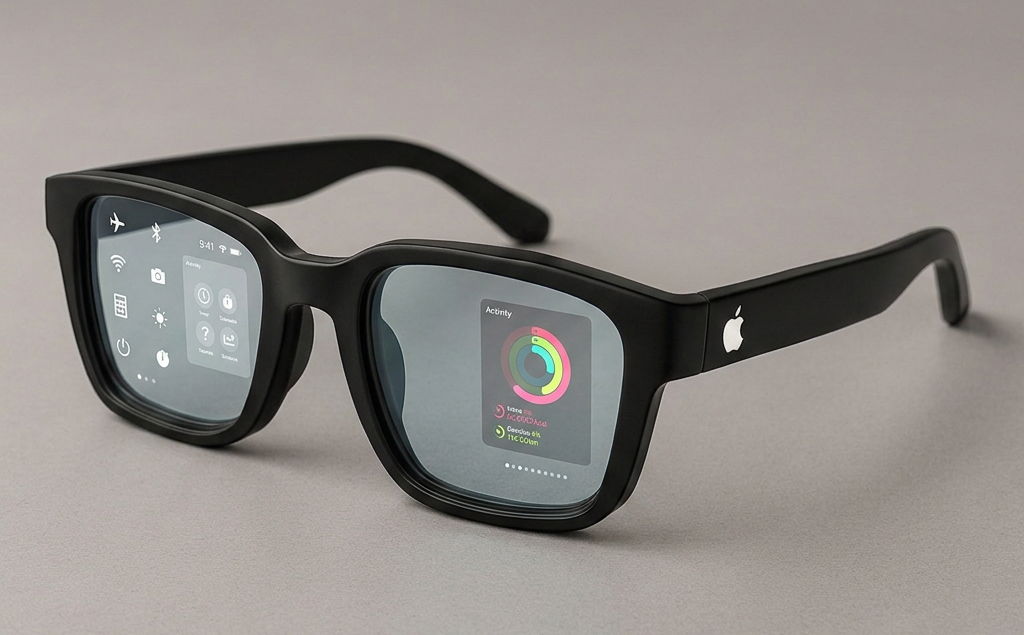
Apple is also designing the frames completely in-house. No fashion partnerships. No Ray-Ban deal like Meta. No Warby Parker like Google and Samsung. Apple wants the glasses to look like Apple — instantly recognizable, the same way AirPods and Apple Watch do.
The smart glasses are actually part of a bigger three-device AI wearable push. Apple is also working on camera-equipped AirPods and a wearable pendant. All three are designed to work together, feeding visual and environmental data into Siri and Apple Intelligence in real time.
Meta has a big head start. But Apple has something Meta doesn’t. People already trust Apple on their wrists and in their ears. Getting them to trust Apple on their face might not be that hard.
